
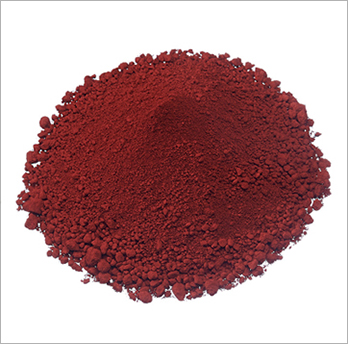
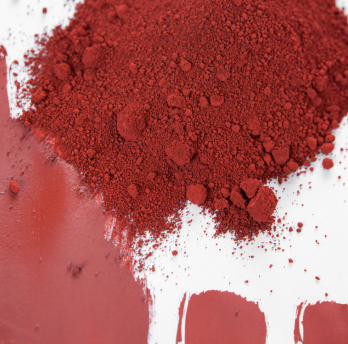
Iron oxide pigment have the highest global market share of the inorganic pigments. They are characterized by high tinting strength, chemical stability, and durability. These technically proven pigments are the first choice in the manufacture of paints, construction products, plastics, ceramics, coatings, and cosmetics, among other applications. They are economical, colorfast, durable & have wide-ranging application in different types of formulations. Selective Minerals is one of the leading manufacturers and exporters of high quality Iron Oxide Pigments in India. Our Red, Yellow, Black and Brown Iron Oxide pigment are produced using the Laux Process, Penniman Process, Precipitation Process or Calcination. Produced via high consistency methods, these pigments are characterized by consistent particle sizes, good dispersibility and color strength, along with high purity levels for superior performance. With decades of experience in the business, Selective Minerals has become an acclaimed name in the provision of Iron Oxide Pigment that are at par with international standards and industrial requirements.
Iron oxide pigment are used throughout many industries and applications, mainly owing to their good light, heat and weather durability properties. Iron oxide pigments come in many shades like yellows, browns, reds and blacks. They are used in applications like building materials, cosmetics, plastics and coatings. In this article, we will explain the essential stages involved in the production of iron oxide pigments, which possess a range of characteristic features.
Iron oxide pigments stand out due to the following characteristics:
These primary pigments also form the basis for blended or custom mixed colors, used in industry.
| Material | Iron Oxide Pigments |
| Brand | Selox |
| Color | Red / Yellow / Black / Brown |
| State | Powder |
| Packaging Size | 25 kg, Bulk Bags |
| Packaging Type | HDPE Bag, Paper Bag |
| Usage/Application | Paints / Construction / Glass / Ceramics / Plastic / Rubber / Wood Polish / Brake Lining / Fertilizers |
The name systems used for all the iron oxide pigments depend to a great extent on the chromatic appearance of the pigment, or, in the case of natural pigments, its originating locality. Colors of synthetic oxides are commonly described by the industry as black, brown, yellow, and others. Given that their synthetic production is closely controlled, such general color classifications are usually adequate. Synthetic oxide pigments generally have predictable colors and properties.
Most synthetic pigments can also be categorized according to their manufacture. Synthetic red pigments, a major group of synthetic iron oxide pigments, have a specialized nomenclature in the industry investigation bureau system because they are produced by heating and converting iron sulphate (customarily known as copperas) to red iron oxide.
Natural oxides have been used for centuries and there have been many names for these pigments. Perhaps the most common name is Spanish Red which originally signified naturally occurring red pigments from Spain. Nevertheless, many of the oldest names are still used to identify customary natural pigments: Vandyke Brown, Ocher, Umber, Sienna, Brown, and Black, all are pigments that are still used in the art materials industry by that name.
Iron oxide pigments have been produced for centuries, and their development has evolved significantly over time.
Natural iron oxide pigments were still obtained in the late nineteenth century by simple extraction methods and the only treatment was washing, separation, drying and sometimes roasting to improve the tone. Production methods were quite simple and at first, such pigments were considered to be entirely 'natural' by most observers. Industrialization in the early twentieth century led to the development of synthetic industrial pigments. Through these processes, iron oxides could be synthesized, with higher purity and color strength, a more even distribution of various particle sizes and shapes, a more uniform color, and better resistance to changes in color and stability than could be obtained from nature.
More recently, the market has been able to provide a rich supply of synthetic pigments that can offer properties including heat resistance, consistency in tint strength, and high dispersibility. However, natural oxides are still used where low cost or muted, earthy colors are especially sought after. The iron oxide pigment market has matured. Non-toxic, stable and durable pigments that are considered safe are widely available to world industry. Iron oxides, due to their abundance and low cost, are the most extensively used inorganic pigments in the world. Synthetic iron oxide pigments dominate the production because of their precision.
Below are the major globally recognized production methods:
Iron oxide pigments are among the most widely used pigments because of their combination of performance, safety, and economy as well.
IRON OXIDE PIGMENTS are available inside 25 kg bags or Bulk bags. In addition to protecting the product during transport and while sitting on store shelves, moisture resistant packaging makes the products easier for people to handle, and also keeps the product clean.
Iron oxide pigments are one of the most widely used globally and versatile colorants for all industrial sectors with high color stability, UV stability, non-toxicity, wide shade range especially for construction, coatings, plastics, cosmetics, ceramics, ink, rubber, leather, paper and agricultural applications. Iron oxide pigments occur in nature and are synthesized. They are uniform, versatile, durable, and low in cost. They also tint strongly across a wide range of applications and quality requirements. Industry strives to move toward materials that are safer and more sustainable for our environment. Iron oxide pigments still dominate applications needing consistent, bright, and durable color.
 Download Brochure